Ivelisse Housman on writing neurodivergent romance
I stumbled into Romance (the genre, that is) by accident. I was always a romantic at heart, devouring fairytales and happily-ever-afters as a kid, but I never thought that romance books—that is, the cheap paperbacks lining supermarket shelves, full of shirtless dukes and flowery language—were for me. I only picked up my first romance book as an adult because it was one of the few books (at the time) with an openly autistic main character. I wanted so desperately to read about people like me, and I ended up discovering a love for a whole new world of literature—shirtless dukes, flowery language, and all.
Romance books are so compelling not in spite of the fact that you know how the story is going to end, but because of it. For readers to know the ending, and still find themselves invested in how the characters will possibly manage to get there, is the ultimate puzzle for an author to unravel. I knew those autistic characters in that first book would find love—but more than the ending, or even the external obstacles, what really drew me in was how the characters saw each other.
As an autistic person, I’ve memorized a lot of social scripts, but I don’t always understand why they work. But here was a deep look into someone else’s head as they started to fall for someone who, like me, was aloof and awkward. Writing romance gave me the chance to explore what draws people together, even when they have traits that society deems undesirable. And just like the fairytales that captivated me as a child, why not add a sprinkle of magic to the equation?
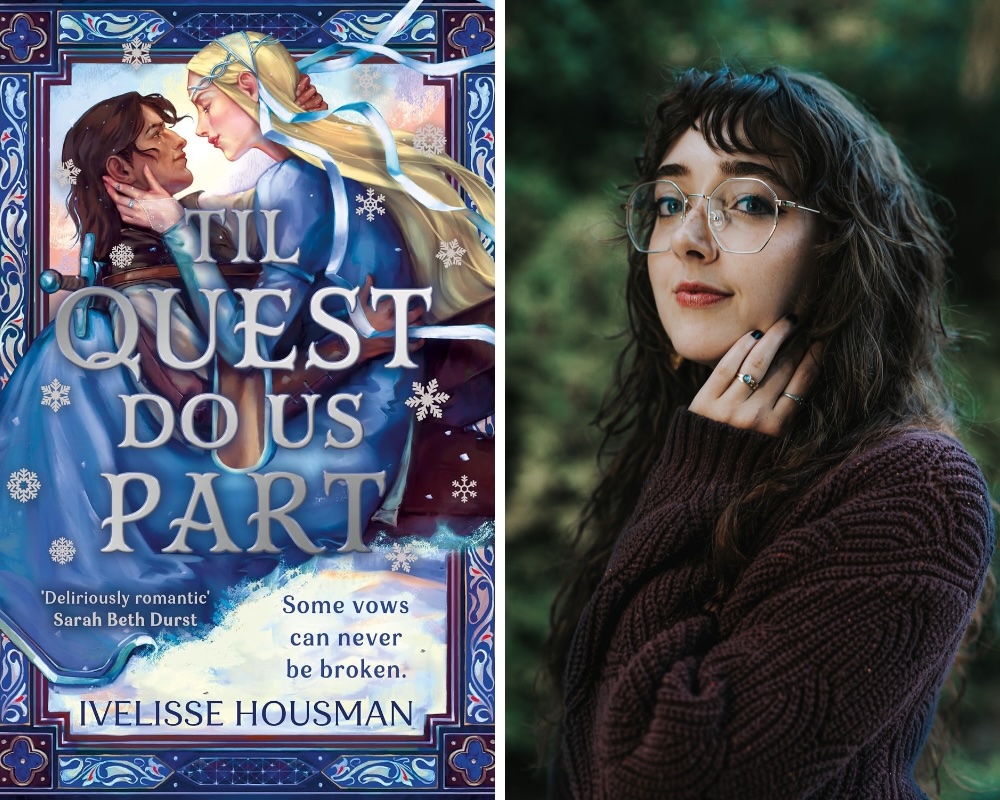
So now—oops—my adult romantasy debut is being published. Til Quest Do Us Part features an ADHD heroine and an autistic hero falling madly, unreservedly in love with each other—the good and the bad. He (a stoic knight) helps compensate for her time blindness, and she (a literal queen with celestial magic) guides him through social situations. There’s no magical cures or rose-colored glasses, just two people who truly understand each other, accept each other’s flaws, and make each other better than they are alone.
The state of autistic representation in literature today is so much more solid than it was even five years ago, with titles spanning every age category and genre, which is an accomplishment worth celebrating. I know from experience how the world opens up when you see yourself represented in the media you love. It’s not just about checking some diversity box, but about affirming universal human experiences—you, yes, you can be a hero. You can make the world a better place. You can be loved, romantically or otherwise.
I think I’ll always be drawn to writing neurodivergent romance, because I’m a neurodivergent romantic—and I firmly believe that everyone deserves to see themselves in their own happily ever after.
Til Quest Do Us Part is published by Zaffre on 1 December