SUMO: Sprit Weighs Nothing – BFI London Film Festival Review

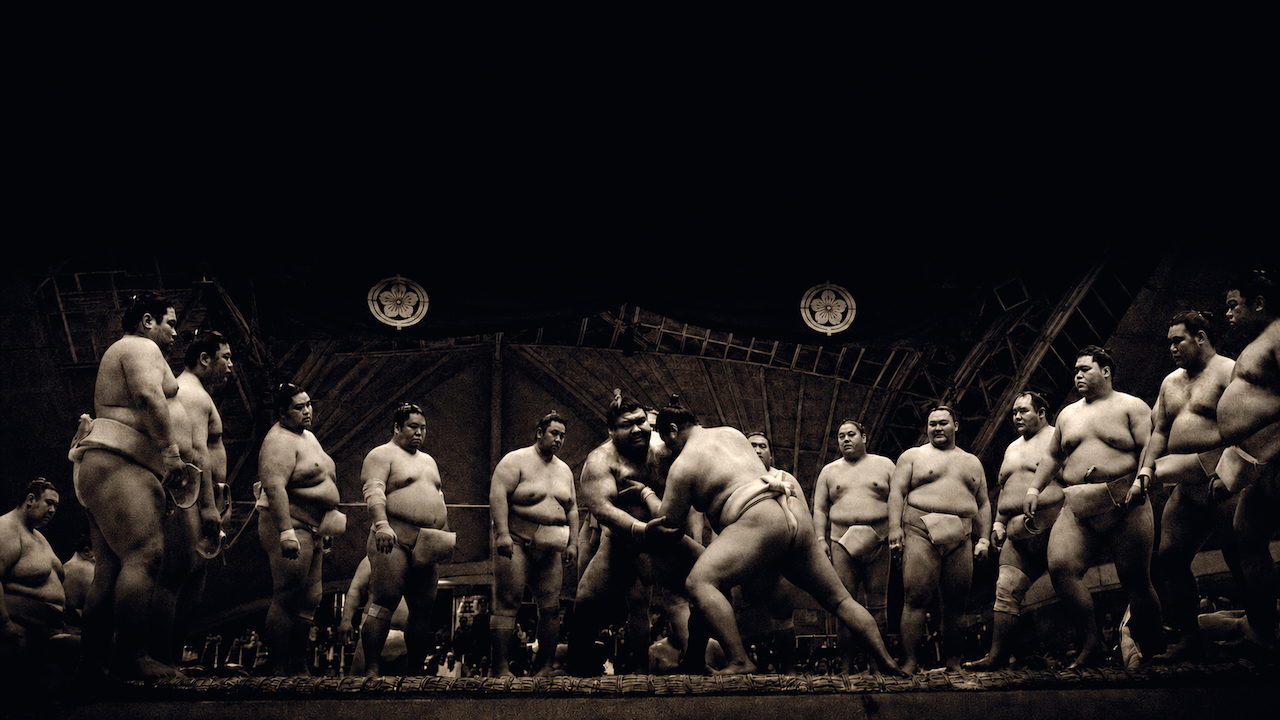
Sometimes, a documentary will teach you so much about a subject in such a short time, it will leave your head spinning. SUMO: Sprit Weighs Nothing is a fine example.
Erik Shihai’s fascinating film clues you in quickly. Six sumo wrestling tournaments occur a year all around Japan, each lasting for fifteen days. The rules are simple: two men enter a circle, the first to push the other out, or to make a part of the other’s body that isn’t their feet touch the floor, wins. As such, battles are usually over in a flash. There are six divisions, and no weight classes, so it isn’t uncommon to see people fighting someone literally twice as big as them. The lower divisions don’t pay, but the higher ones bring with them wealth and prestige aplenty.
We are introduced to four wrestlers, each of whom have their own challenges to overcome. Rising star Hiradoumi is bemused by his new level of fame. Yonezawaryu isn’t sure he’s invested enough in the sport to dedicate his whole life to it, especially after an accident leaves him reeling. 70 kg Kosei is struggling to put on the weight he needs to make himself a formidable competitor. And Terunofuji, one of the most famous and respected wrestlers of them all, is facing a body that’s falling to pieces, and weighing up ending his career. All four are endearing figures, admirably honest about their thoughts at their varying stages of their professional journey.
Much of SUMO plays out as something akin to body horror. Because wrestlers have to become so big in order to beat their opponents, all that extra weight puts a dangerous strain on both their joints and their organs – Terunofuji says they can lose 10-20 years from their lifespans, and that’s if they don’t just die in the ring, as many do. At the sumo school where aspiring wrestlers spend six months training, they are supposed to consume 10,000 calories a day: five times the recommended daily allowance for regular people. It’s all such an arduous undertaking, to learn that sumo is in decline (there were 1000 active wrestlers in the 1990s, and only 600 today) is no great surprise.
Watching our central characters go through so much turmoil, the question, “Is it worth it?” weighs heavily, particularly in the scene when Terunofuji talks about the shortened lifespans as his wife and sweet, enormous baby look on. SUMO doesn’t tackle the issue head on, however. While to some extent the men’s devotion to the sport is clearly due to tradition and the position of historical importance that sumo holds in Japan (the origins go back over 1500 years), it would have been interesting to see what the four had to say if they were asked directly.

Taken as is though, SUMO is still a captivating look into a little-seen world, full of endearing figures for whom you can’t help but admire their spirit, even if the reasons why they’re putting themselves through so much remain frustratingly elusive.
★★★★