A Common Story – BFI London Film Festival Review

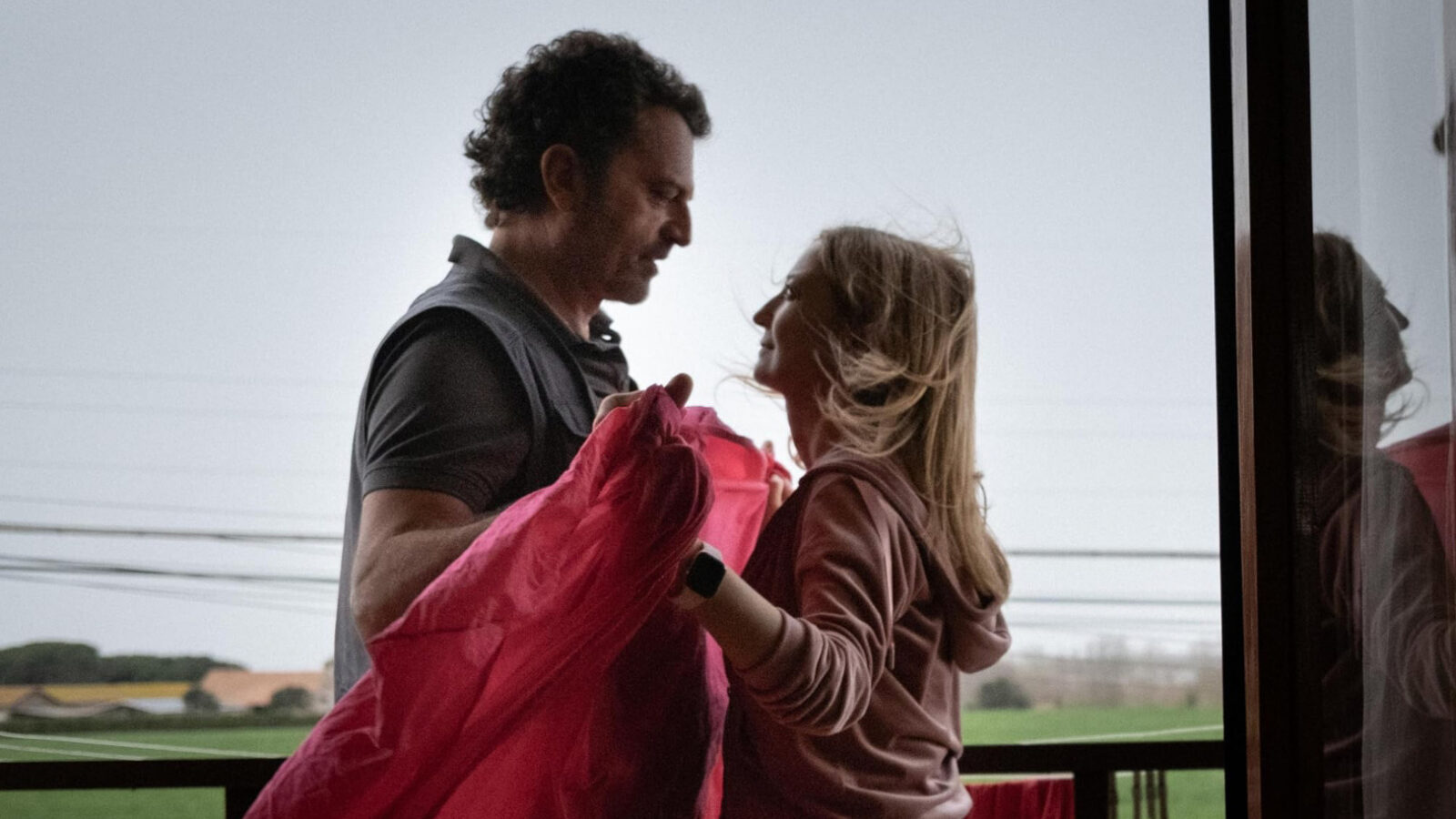
Erika (Alba Rohrwacher), Mauro (Guido Caprino) and Irene (Ksenia Borzak) are a happy family of three. Then Erika and Mauro drop Irene off to begin university, and everything changes. A Common Story follows the husband and wife over the course of a year, as they try and work out what their lives will look like going forward.
In its native Italy, A Common Story is titled Una Storia – literally, ‘A Story’. That Italian title did not need changing; after all, everyone has a story, the implication there is that this is just one of many. It’s a small thing, and perhaps not worth being irritated by, but that unnecessary retitling encapsulates a lot of the problems with Anna Foglietta’s debut movie.
It’s all just too obvious, both in terms of form and content. After the opening with Irene, shot with a camera that rushes excitedly around the university campus, and scored by a lovely flowing piece of classical music, everything stops. Scenes becomes static, silences heavy. This change happens very early in the movie, and then we just stay in that same mode all the way up until ten minutes before the closing credits.
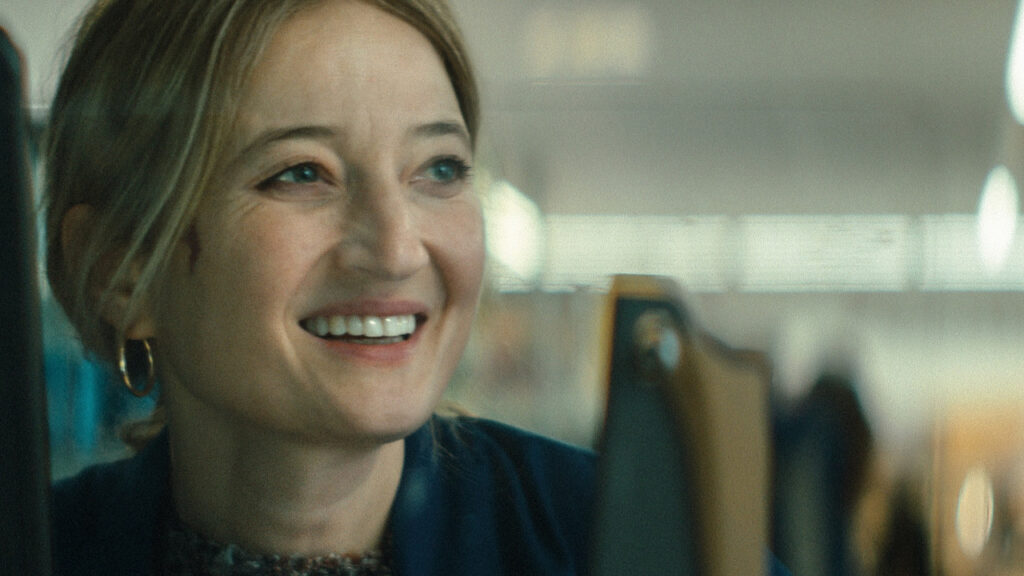
Perhaps in a bid to underline the titular ‘common’-ness, the characters of Erika and Mauro remain broad, and somewhat gender essentialist. Mauro works for his father’s construction company, and coaches kid’s football some evenings. Erika works on the checkout in a supermarket, and her sole hobby is baking (unless you count scrolling listlessly on her phone). Mauro gets irritated when she hasn’t got his dinner ready. As Erika sinks ever more into a depression caused by the new shapelessness of her days, Mauro is at a loss as to how to deal with her feelings. His dad and her mum are big presences in their lives, but those relationships are also not drawn well enough to be particularly interesting.
Although this is Foglietta’s first time behind the camera, she’s appeared in front of it on numerous occasions, and her background as an actor goes some way to explaining her priorities here. For much of the duration, A Common Story feels like an acting exercise repeated ad nauseum, as Alba Rohrwacher and Guido Caprino are charged with having the same interaction over and over – him being frustrated she won’t tell him what’s wrong with her, her being frustrated her won’t leave her alone – trying to wrest something new from it each time. That they can’t is not their fault. They are both fine actors, yet there’s only so much they can do with a screenplay this leaden.
As is so often the case in films where the biggest tension comes from lack of communication, when Mauro and Erika finally sit down for a big old heart-to-heart (in this movie’s sole interesting directorial choice, shot in close-up split screen) then things pick up immeasurably. It’s just a shame that that happens to be A Common Story’s penultimate scene, and the destination is simply not worth that sluggish, tedious journey.
★★