A. J. Lancaster on why writers are drawn to fairytale retellings
Fairytales are so fascinatingly weird. Shoes made of glass, poison apples, gold spun from straw? All deeply bizarre elements–which makes them the ideal fuel for a fantasy writer, prompting what-ifs and the creation of elaborate worlds where cursed spindles and enchanted frogs make perfect sense.
I’m certainly not alone in my fascination. I grew up reading books like Robin McKinley’s Beauty (Beauty & the Beast), Mercedes Lackey’s The Fairy Godmother (Cinderella), and Juliet Marillier’s Daughter of the Forest (Six Swans). Right now, A Court of Thorns and Roses, a Beauty and the Beast retelling with a twist, is one of the bestselling romantasy books in the world. Recently I’ve been mainlining T Kingfisher’s retellings, including Hemlock & Silver (Snow White) and A Sorceress Comes to Call (Goose Girl).
Why fairytale retellings? For me, it’s the comfort of the familiar mixed with the excitement of novelty. We all know how the stories should go, but the fun is in finding out how our expectations will be fulfilled or subverted in this version. Retellings are a form of fanfiction, in their way, where we’re all sculpting different stories out of the same clay.
I’ve always been drawn to the fae aspects of fairytales: bargains, true names, otherworldly realms where strange rules must be followed. Everything’s better with fae! This is how I arrived at the premise for How to Marry a Winged King, my novella-sized retelling of Cinderella, which is basically ‘what if Cinderella’s evil step-family were fae?’.
Cinderella sits alongside Beauty and the Beast as one of the most popular choices to retell. Both fairytales have a simple and appealing premise at their core that naturally allows huge flexibility. You can find Cinderella in the bones of every rags-to-riches story, and what is Beauty and the Beast if not a classic tale of opposites-attract enemies-to-lovers? We love a cursed shadowdaddy who has kidnapped the heroine away to his enchanted castle.
Rumpelstiltskin is a much less popular choice.
Perhaps it’s because the behaviour of everybody involved in the original tale is bananas even by the measure of fairytales. Why, for instance, does a fairy oh-so-conveniently appear who can spin straw into gold just when this skill is needed? Why would he offer to give up a prize in exchange for his true name?
The original ending also isn’t very happy, nor the romance very romantic. The miller’s daughter marries the king who threatened to kill her unless she spun the straw into gold. The fae who helped her perform this impossible task is cast as the villain of the tale and dies via spontaneous rage-explosion. At no stage does anyone clarify why first-born children are the going market rate for fae bargains.
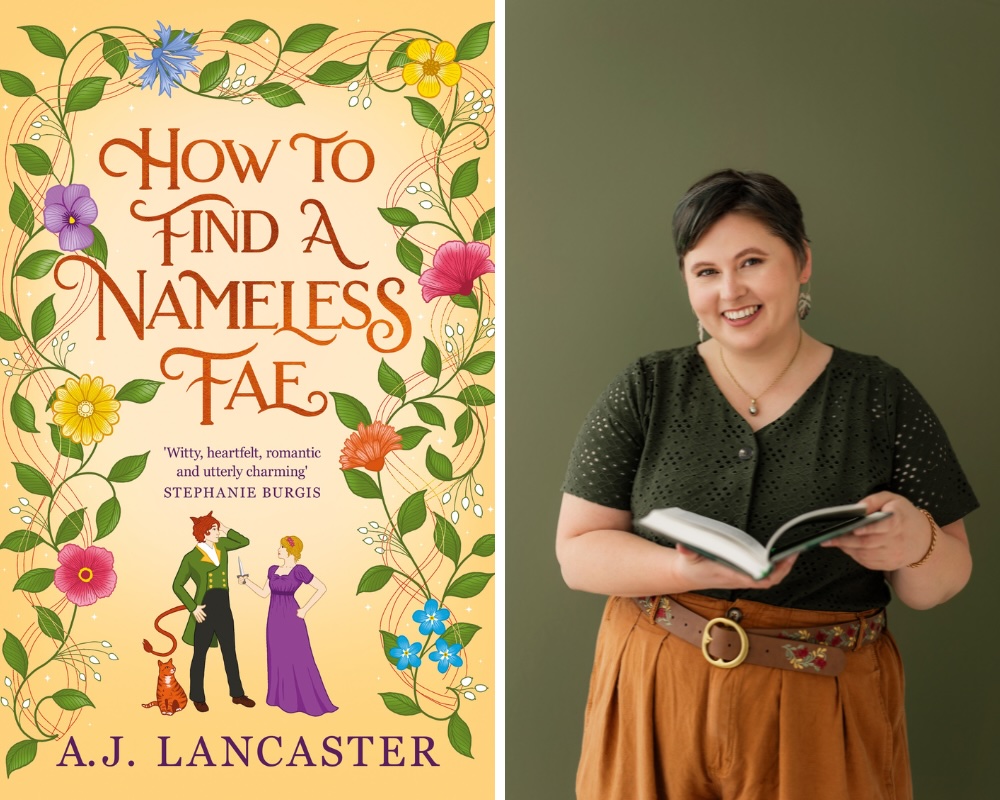
How to Find a Nameless Fae takes the strange, dark tale of Rumpelstiltskin and turns it into a heart-warming fantasy romance. The heroine of my tale is Princess Gisele, the first-born princess who has been waiting for decades to be stolen away by the evil fae sorcerer who bargained with her mother. But she’s just turned 40, he still hasn’t shown up, and the unfulfilled magical bargain has curdled into a curse.
The titular Nameless Fae is a hot (of course) fae man with emoting cat ears and a meddling, sentient house. He wants nothing to do with any first-born bargains he may or may not have made in the past, but of course, the magic has other ideas. Bound together, the two of them are forced to work together to break the curse.
How to Find a Nameless Fae is my love letter to magical houses, happy endings, the strange rules of fae bargains, and attempts to answer key questions like ‘why are true names important?’ and ‘what would be the economic impact on a small kingdom of turning straw into gold’?
How to Find a Nameless Fae is published by Tor on 6 August 2026