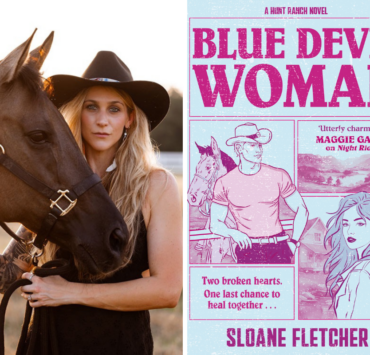
Seán Farrelly: Social Media Is Our Colosseum
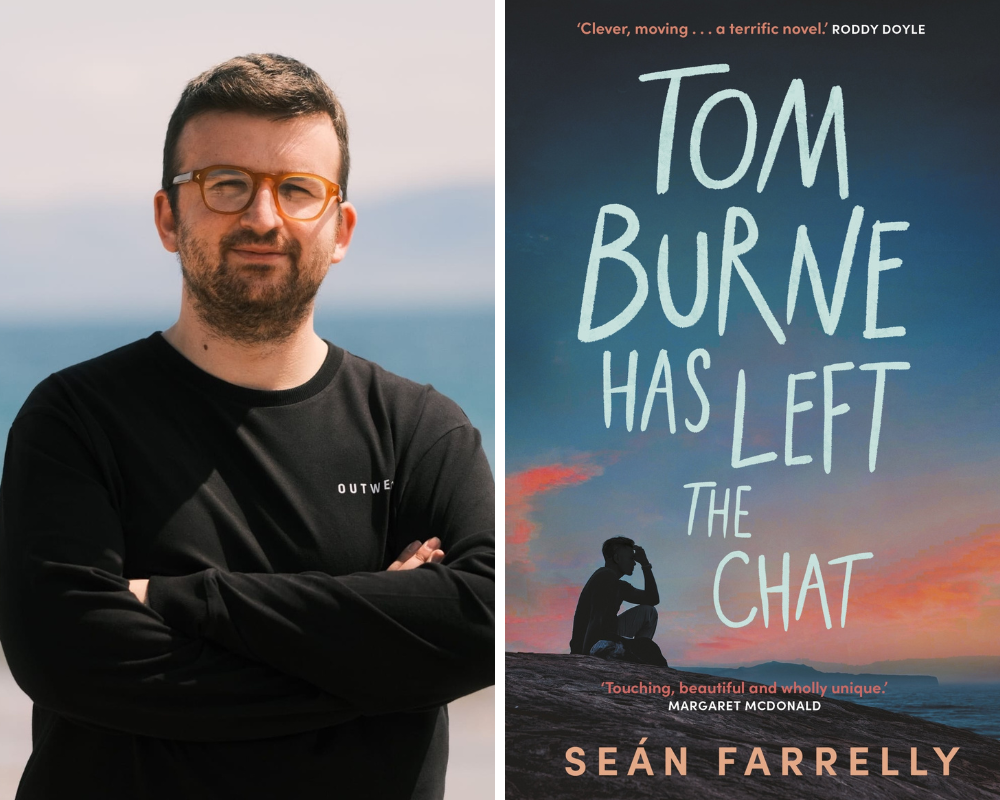
Tom Burne has kind of a funny origin story. I was in Dublin airport on the way to London for my first ever editor meeting to pitch my book. Out of my mind with nerves, I was tapping through Instagram stories to distract myself, then came across an article on the New York Times’ page: The Digital Fragments We Leave Behind After Death. The headline went on to describe an older couple, man and woman. After the man passed away, his (now widowed) wife discovered his phone was a hidden receptacle for memories – to-do lists, voice notes, playlists – that went way beyond the remit of more traditional video tapes and photo albums. Not being subscribed to the New York Times, I wasn’t able to read on, and so was forced to spend the entire flight imagining answers to the question: what happens to your phone after you die?
Instead of a man and woman, I thought the story should follow two teenaged boys and, instead of a married couple, I thought they should be strangers. Upon finding the phone, the main character should take it upon himself to Frankenstein a personality for the other boy based exclusively on what he finds within it. When I landed, I was so fizzy with story possibilities that I spewed the story at my slightly-baffled-but-incredibly-supportive agent and editor despite being there to discuss an entirely different book. After a few months, to my delighted surprise, Faber agreed to publish it.
Next hurdle: actually writing the book…
The following two years were spent alternatively in the heads of Jamie, the protagonist, and the eponymous Tom Burne who dies by suicide in the first chapter and leaves his phone behind. It was quite an emotionally intense writing experience. Many days after writing, mired in the headspace of young men embroiled in social media and struggling with isolation and poor mental health in their own ways, I walked my dog to the beach to decompress and stared at the horizon like some sort of weird sea captain. Early on I decided I didn’t want the book to be preachy, and I was determined to show the possibility of connection that social media can provide, as well as its inherent pitfall traps. After all, who was I to finger-wag at young people about their purported online behaviours, especially when my own relationship with social media was far from ideal?
By taking my own opinions out of the equation and being as attentive to the characters as possible, they started to confide in me what they really thought about their lives online. Tom’s Voice Memos, for example, provided an outlet for him to elucidate his feelings about social media; how it causes addiction and isolation in Rat Park, the moral deniably and mob mentality that goes hand-in-hand with online anonymity in Bystander Effect, and the difference between being filled and fulfilled in Cavepeople, likening videos on his Feed to consuming fast-food.
One Voice Memo that got cut in the drafting process was entitled: Social Media is Our Colosseum. In it, Tom talked about how his Roman Empire is thinking that the Colosseum and our digital landscape share more than what first meets the eye: the most superlative, upper-case emotions like Outrage, Despair and Grief get rewarded, forcing people to partake in increasingly shocking behaviours to continue to win engagement, satisfying a communal bloodlust and achieving catharsis while ultimately providing a smokescreen for those in power so the masses don’t catch on that the real problem is the systematic inequities created by their greedy, solipsistic pursuits.
Dated and a bit too wordy, I wrote in my notes. Who would pay attention to that?
Tom Burne Has Left the Chat is published by Faber & Faber on 7 May 2026