Mystery Jets’ A Hole To See The Sky Through is a structural masterclass in emotional world-building

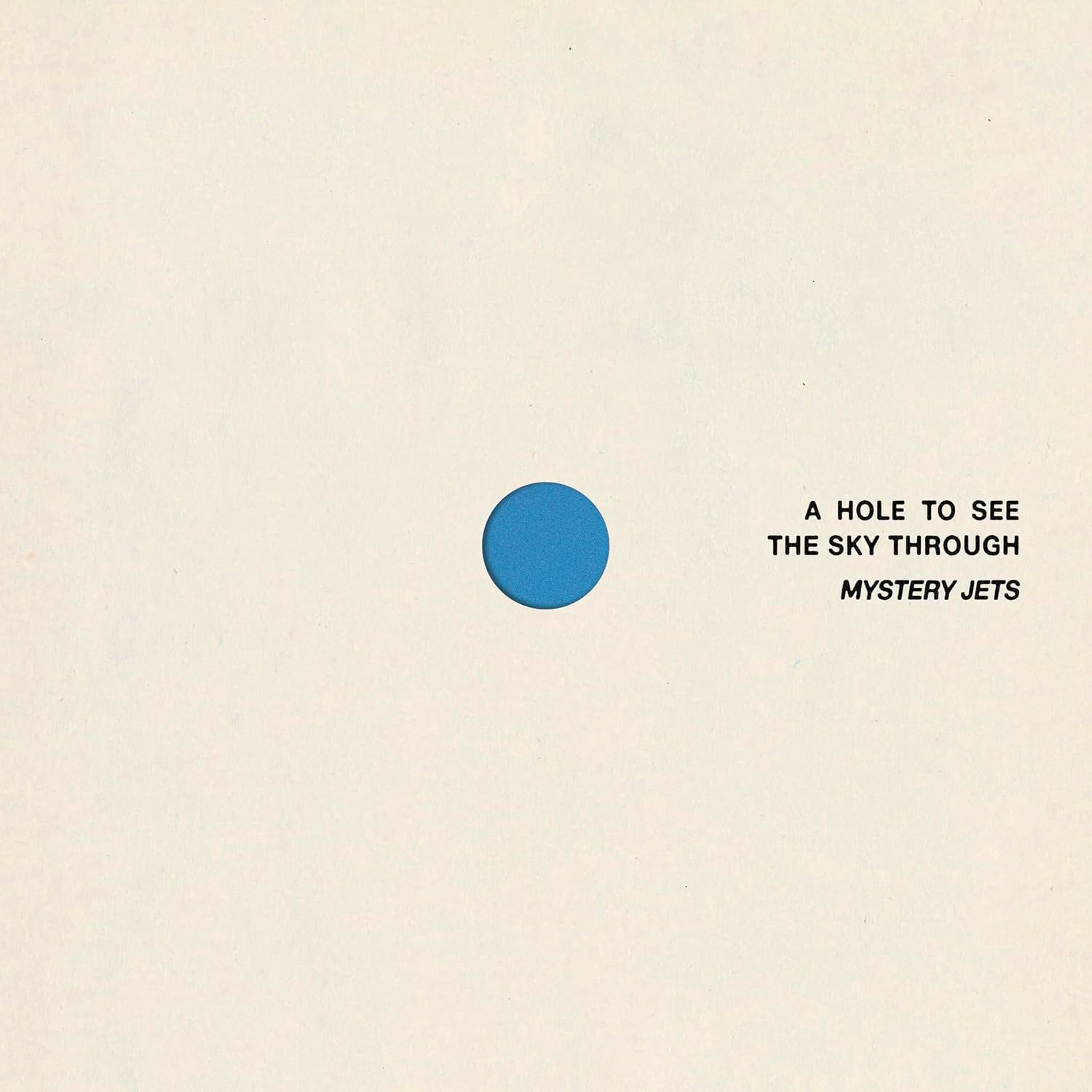
The indie rock troubadours are back. Mystery Jets return with their seventh studio album, A Hole To See The Sky Through – a powerful, meticulously crafted voyage through love, loss, and the messy process of soul searching to find catharsis. Released on the 21 August, this is a record that proves the band has perfected the art of building sonic worlds layer by layer, only to strip them back to their rawest, most vulnerable foundations.
The journey begins with the sprawling title track. Built like a musical sandwich, the opener stacks 90s-inspired droning synths, a crisp, grounding snare, and echoing minor-key vocals. It perfectly sets the stakes for the emotional odyssey ahead. Listening to it feels like lying on the bonnet of a car, stargazing with a loved one while the radio plays a bittersweet soundtrack to that age-old existential question: if it’s meant to be, it’s meant to be.
From there, the album expertly weaves nostalgia with modern urgency, refusing to stick to a single genre lane. ‘Black Sage’ comes in incredibly hard, driven by Gary Numan-esque synths that transform the track into a dark, modern slice of 80s synth-pop. Lyrically sharp, lines like “you can burn all the sage you want, try to smoke her out” sting with a brilliant, supernatural bitterness.
That mastery of tension and release is on full display in ‘Doomsday Waltz’. Initially deceptive (meaning I wasn’t a fan the first time I heard it), the track grows on you as it progresses, introducing a complex lattice of instrumentation before brilliantly stripping it all away – at one point leaving nothing but the raw intimacy of frontman Blaine Harrison’s vocals and a lone guitar. It’s followed by the ethereal ‘Godrays’, a track dripping in echo and atmospheric beauty. The vocals float over the listener with comforting promises (“I’ll be right beside you”) undercut by an apocalyptic weight (“could be our final chance / see the seven wonders, paint the future”).
The album’s midsection shifts into vibrant, cinematic terrain. ‘Flea Joint’ cranks up the energy, capturing the exact grit and magic of standing on an underground station platform, listening to the cacophony of street buskers and muffled train announcements. Driven by a funky bassline and massive, powerful vocalisations, this brilliant hybrid of indie, Madchester, and 80s pop serves as an anthem for moving on and starting fresh.
The undisputed standout for long-term fans, however, will be ‘Long Lonely Road’. The track pulls off a stunning genre cocktail, blending Motown soul with a sluggish, indie sleaze guitar riff. It’s an instant teenage anthem for the lost, the anxious and the lonely, carrying listeners through their darkest angsty years with the reassuring refrain: “let this song be the one to guide you home / it’s a long lonely road.”
The album culminates its emotional arc with ‘Soul River’, a track heavy with grief and tenderness, written as a moving tribute to a friend who lost their life. It’s here that the band’s structural world-building hits its emotional zenith, anchoring the album’s grand sonics in pure, human love.
Mystery Jets are known for their genre blending style and their latest album does this on a whole new level, bringing so much raw emotion through the lyrics and the journey we’re taken on. Ultimately, A Hole To See The Sky Through is the band at their absolute finest. It’s an album that looks directly into the void and finds a way to let the light back in.
★★★★½