Brittney Arena on the importance of disability representation in her romantasy duology

I didn’t know how badly I needed Vasalie’s story.
I didn’t initially set out to write a story with a disabled and chronically ill main character who experienced the same physical struggles I did. In fact, I was rather intent on writing something purely for escape—a transportive, romantic, dangerous, and all-consuming tale that was as far from the real world as I could get.
I had just come out of a two-year period of being mostly bed-bound when the idea for A Dance of Lies came to me. When I started writing it, however, I saw Vasalie’s opening scene. I saw that she had been imprisoned for two years, that she would have to learn to dance again, and that her body would no longer move the way it once had. But it wasn’t until after completing her first two chapters that I realized I had subconsciously input my own pain—the grief of losing so much after years of immobility—directly into her story.
I realized, too, that I was using art to cope with my own grief. Because that’s exactly how I was healing emotionally, and how Vasalie would heal: by reclaiming herself through art. What a powerful tool art can be. A reminder to you, dear reader: all your broken pieces are what make you art.
As Vasalie’s tale unfolded before me, I ended up learning an important lesson from her: to be proud of what my body has endured. Not just to mourn what it could no longer do, but to honor everything it had survived.
That brings me directly to book two, and the message behind it: Though we have been through trials and tribulations, though we have suffered great pain, still we stand. (Stand in a metaphorical sense, of course, but we are HERE despite it all.) And that is something to be proud of.
Returning to Vasalie’s story in To Dance With Death reignited a determination in me: to stand, to triumph, and to believe both in myself and those I love. It’s such a sweeping, emotionally riveting tale that brought me to my own knees at times. Other times, I was cackling and giggling because, as emotionally charged as it was, the banter and heated moments were pure FUN.
And that’s another lesson I’ve learned. Not just to be proud of my endurance, but to revel in it. To find joy, embrace it, and allow myself to experience it fully.
Because surviving is powerful. But so is living. So is laughing. So is falling in love.
And what brings more joy than love?
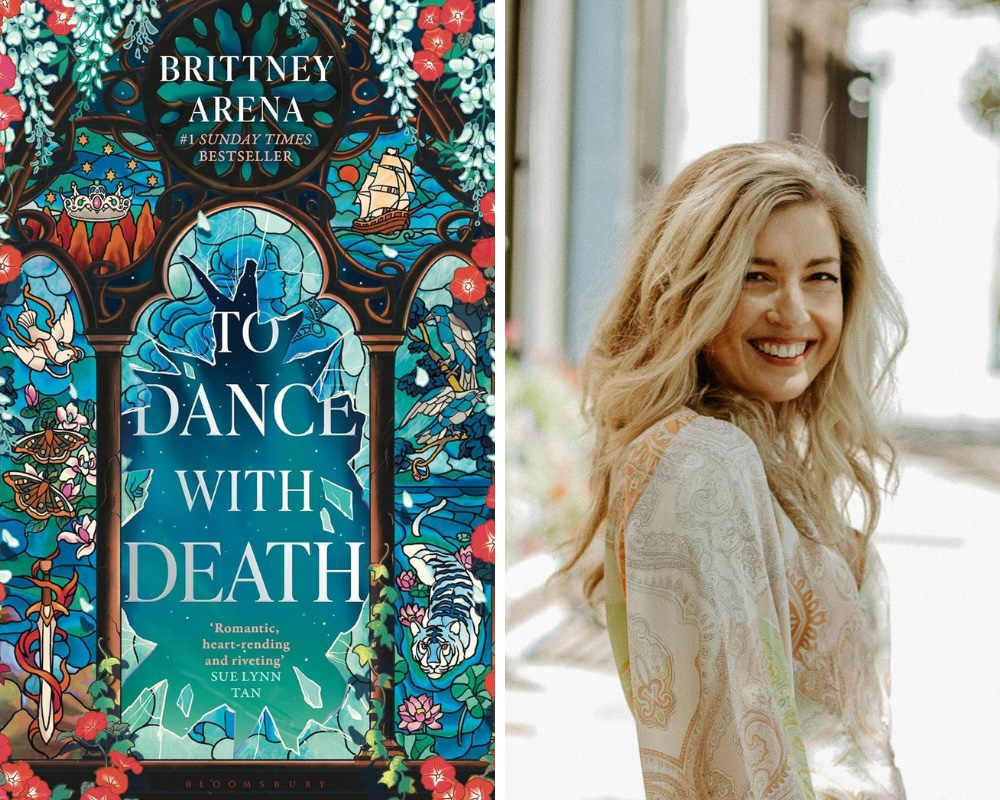
To Dance with Death, the conclusion to the duology that began with A Dance of Lies, is published by Bloomsbury Archer on 13 August 2026