Fairyland Review

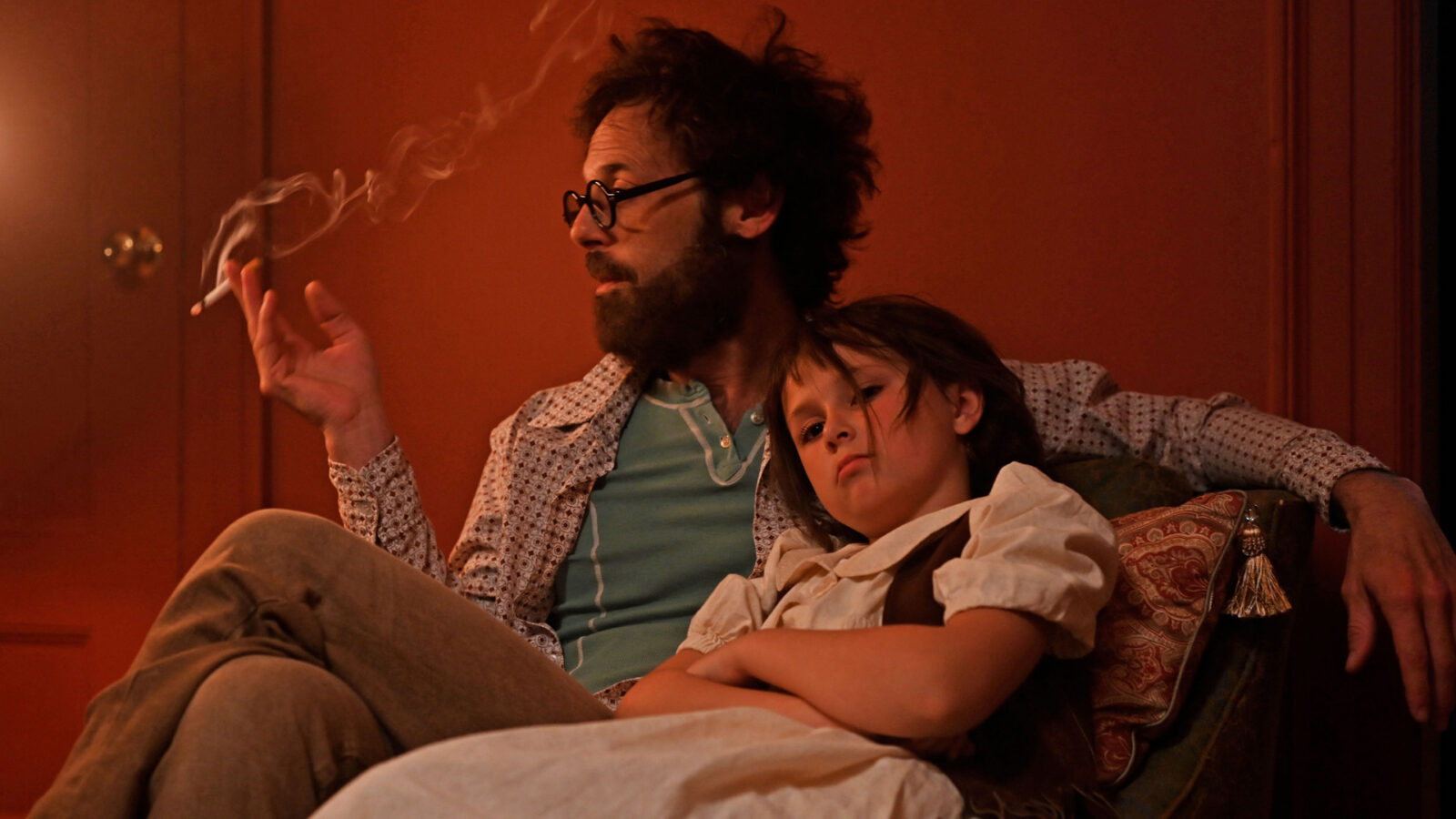
The 1970s. One night, when Alysia Abbott (Nessa Dougherty) is five years old, her father Steve (Scoot McNairy) gets a phone call informing him that her mother has died in a car accident. Steve is a gay poet, and Alysia’s grandmother (Geena Davis) disapproves of his bohemian lifestyle – she offers to take her in. Steve is determined to retain custody however, and soon he and his daughter have moved to a San Francisco in the peak of its ‘70s colour and joy.
The 1980s. Alysia (Emilia Jones) is now sixteen and has grown resentful of all the nights Steve has left her alone. He resents her resentment, and the two live in a moody stalemate. We follow Alysia as she prepares and then leaves for college, and then decides to actively exercise the independence that has always been foisted upon her by spending a year in Paris. Back home though, the AIDS epidemic has taken hold, and soon father and daughter are forced to confront their lives together.
Considering that Fairyland, the debut feature of Andrew Durham, is based on the real Alysia’s memoir, large portions of it feel surprisingly generic. Markers of time are generally delivered in a rather clumsy fashion: Steve ditches his orange juice in a nod to the boycott of virulent homophobe Anita Bryant; the assassination of Harvey Milk is used to signify the switch from the ‘70s to the ‘80s. None of the supporting characters register as fully fledged people, even the redoubtable Geena Davis as Alysia’s perpetually concerned grandmother. For most of the movie, it’s only Scoot McNairy, as a man struggling to balance the new freedom of his personal life with having the sole responsibility for his child’s upbringing, who lends any real texture to the proceedings. Watching him work, it seems befuddling why he so rarely gets leading roles.
Fairyland is really a traditional coming-of-age film, with a girl growing up in an environment she assumes is the norm, then as she gets older she learns that it wasn’t, and starts to feel ashamed of that. While it’s her story, and both actors who play her give solid performances, Alysia rarely expands beyond cipher – a vessel for things to happen to, to tick off all the usual beats of the genre.
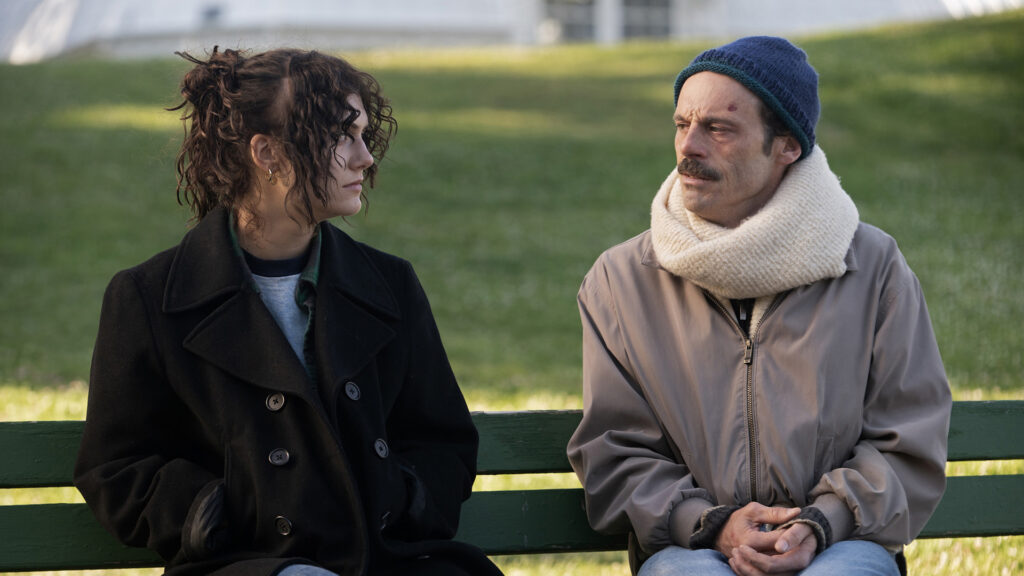
In fact, it’s only when she has become a grown up that the film finally becomes engaging. As the inevitable tragedy draws nearer in the third act, Fairyland reveals itself to have been building up a stealthy cumulative power. The earlier parts of the movie are soundtracked by song after song, but the closing passage gets quieter and more intimate. The best scene involves Steve and Alysia sat on a park bench, talking honestly as adults, sitting in all the pain and hurt that has been festering over the years, and seeing if they can come to a place of understanding, before it’s too late.
Although the journey to that point hasn’t always been the most engaging, the destination is worth the wait.
★★★
Icon Film Distribution presents Fairyland on Digital platforms (inc. Apple TV, Amazon Prime Video & Sky) from 13 July 2026