Father Mother Sister Brother Review

Jim Jarmusch used to be the king of the anthology film, with Mystery Train, Night on Earth, and Coffee and Cigarettes all collecting multiple funny, offbeat stories under their filmic roofs. More than twenty years after his last anthology venture, he’s back with Father Mother Sister Brother, which tells three tales of the difficult relationships between adult children and their parents.
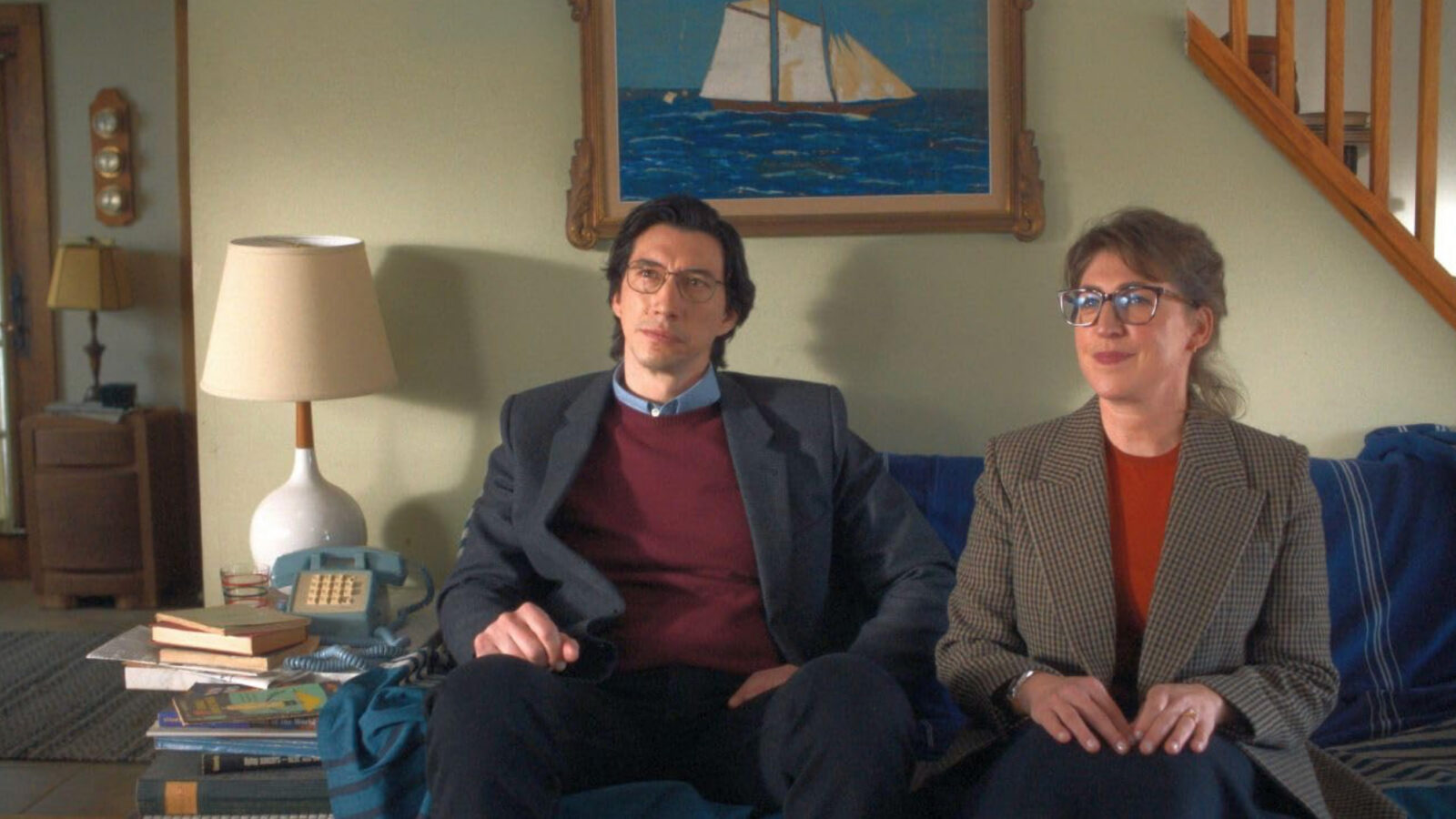
In the first, two siblings (Adam Driver and Mayim Bialik) go and visit their dad (Tom Waits), who isn’t being entirely honest about his financial situation. In the second, two sisters (Cate Blanchett and Vicky Krieps) go and visit their mum (Charlotte Rampling) to have a very awkward afternoon tea. And in the third, after their parents’ recent death in a plane crash, a brother and sister (Luka Sabbat and Indya Moore) go to the house where they used to live, to sort through their belongings.
Jarmusch has made excellent movies in every decade from the 1980s to the 2010s, and is working with a stellar cast here, which is why it’s sad to report that Father Mother Sister Brother is uncharacteristically lifeless.
The first two segments are the biggest culprits. Essentially, it’s the same story twice over – two adult kids going to visit parents they aren’t close to, having an excruciatingly awkward time together, and then going home again. Though it’s the same structure in both stories, that still left scope for plenty of shading – humour, specificity, history, emotion. But there’s nothing. These relationships are meant to feel stilted, yet instead it seems as if none of these parents and children have ever even met each other before.
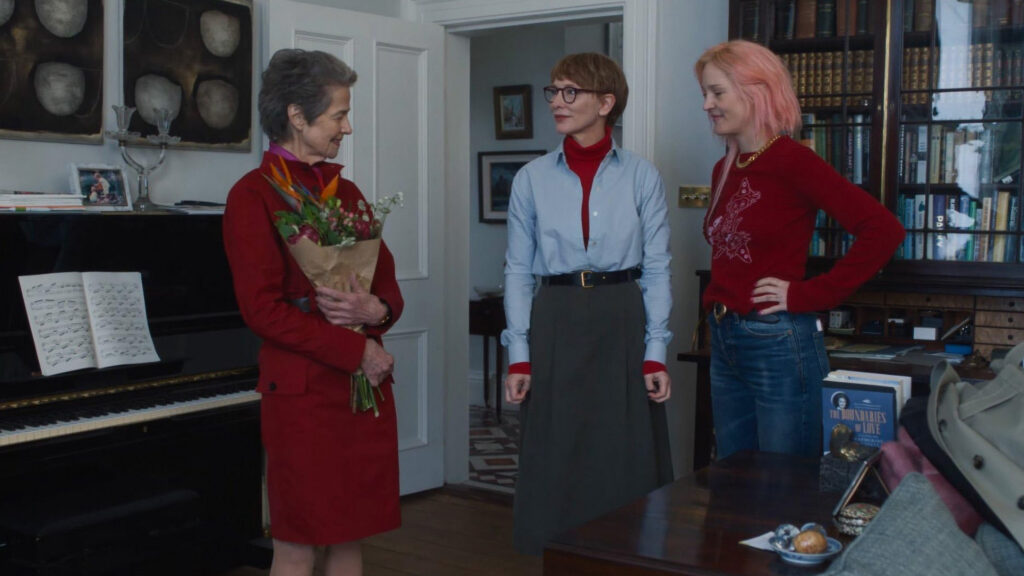
The kids just have one distinguishing feature each – Cate Blanchett is meek, Vicky Krieps is lying about having a successful life, Adam Driver is newly divorced. That’s it. Despite the copious talents of these actors, there’s just not enough in the screenplay for them to turn these solitary traits into three-dimensional human beings. Jarmusch puts far more energy into the gimmick of certain elements repeating over all three segments: slow motion skateboarders, an unexpected Rolex, protracted conversations about water, the phrase “Bob’s your uncle”. It feels like he set himself a screenwriting side quest, and while he was distracted by that, he forgot the personality that usually characterises his movies.
There is a slight uptick in quality in the third segment, where after more than an hour of sitting through almost unbearable small talk between apparent strangers, we’re presented with a pair of family members who at least seem to actually know and like each other. The contrast between the third part of the triptych and its predecessors does give the movie a bit of shape and purpose that had been lacking until that point – it makes you wonder if after their parents have gone, the adult children of the first two segments will feel more warmly towards them; if they’ll only want to ask them questions once it’s too late, as it is now for the kids of segment three. Finally, we are given something to think about, to sink our teeth into.
Still, it’s far from enough to redeem all that went before. Considering all he had to work with here, and his own history of making warm, iconoclastic, memorable films, it’s deeply disappointing how Father Mother Sister Brother turned out so lacking in any of those qualities until the final half hour.
At least there’s still three and a half years left for him to make his great movie of the 2020s…
★★